



 by Adam SEO
 Automated review requests help boat tour companies grow by asking guests for feedback while the trip is still fresh. Instead of relying on the captain, crew, or office staff to remember, the system sends a simple follow-up after the tour. This creates a steadier flow of recent reviews, gives future guests more confidence, and turns every departure into an ongoing source of visibility from your tour company.
When review follow-up is built into your boat tour booking software, it happens without adding another task to the end of an already long day.
People booking a boat tour are often comparing multiple companies that look pretty similar at first. Every page mentions experienced captains, beautiful views, and memorable trips.
It's the reviews where prospective guests start finding the differences.
They read about how the crew treated nervous passengers. They look for comments about cleanliness, check-in, wildlife sightings, music, safety, and the overall atmosphere onboard.
Those details answer questions that a service page cannot answer by itself.
BrightLocal’s 2026 consumer survey found that 97% of consumers read reviews for local businesses. It also found that 85% become more likely to use a business after reading positive reviews.
For boat tour companies, a strong review profile supports several parts of the booking process:
A recent review describing last weekend’s sunset cruise with a picture attached is usually pretty convincing.
Most crews know they should ask for reviews, but the problem is remembering to do it. Asking for a Google review drops to the bottom of the list when guests need help gathering their bags, the crew needs to clean the boat, check the next manifest, and start preparing for the next departure.
Even when a crew member remembers, the request may be too vague.
Asking a passenger to “Leave us a review sometime” requires the guest to search for the company, find the correct profile, sign in, and remember what they wanted to say. Many happy guests fully intend to do it and then forget before they get home. Automation closes that gap.
The request goes out consistently after each completed trip, and nobody has to remember which guests were asked or spend Monday morning copying email addresses into another marketing platform.
This is where boat tour companies have a larger opportunity than many other local businesses.
If the review request only goes to the person who entered a credit card, the company is treating a full boat like a single customer, but a manifest-based system works differently.
When each participant’s information is collected, follow-up can reach the people who actually experienced the trip. Booking Pro+ sends an automated review request to every person listed on the manifest after the event.
Will they all write a review? Probably not, but it does it does mean the invitation is no longer limited to the purchaser. A manifest-based process gives every listed guest a chance to share their experience.
The same tour has suddenly created far more marketing potential.
The best time to request a review is shortly after the tour when guests still remember the details.
They remember the captain pointing out a pod of dolphins, the crew taking a group photo, the music, the view, and the moment someone nearly lost a hat to the wind.
Wait two weeks and those details start disappearing. The review becomes shorter, less specific, or never gets written at all.
An automated request does not need to arrive while guests are still walking down the dock, but it should arrive soon enough that the experience feels current without interrupting the trip itself.
A review request does not need a long explanation. They only need a friendly reminder and a direct way to respond.
A simple message might say:
Thanks for joining us on the water today. We hope you had a great trip. If you have a moment, we’d appreciate an honest review about your experience.
The message should include a direct link to the company’s preferred review page. Removing unnecessary steps matters, especially when most guests will open the request on their phones.
The request should also ask for an honest review, not a five-star review.
Google allows businesses to remind customers to leave reviews, but reviews must reflect genuine experiences. Businesses cannot offer free or discounted services in exchange for reviews.
Reviews are useful marketing, but they also show operators what guests notice and start to reveal patterns.
A pattern of comments about confusing parking instructions may point to a confirmation email problem. Multiple mentions of a slow check-in process could mean waivers need to be completed earlier. This is helpful information for companies to know.
Guests may consistently mention a particular route, crew interaction, onboard amenity, or wildlife briefing. These kind of details belong on the company’s website, social media, and booking pages because they reflect what customers actually value.
A negative review is not pleasant, but it is often more useful than an unhappy guest who never says anything and simply tells friends not to book.
Operators should look beyond the star rating and track repeated topics.
A strong review collection process gives a boat tour company useful language for the rest of its marketing.
With the reviewer’s permission, a detailed comment can become a testimonial on a private charter page. Common review themes can shape FAQ content. Questions raised in reviews can lead to better confirmation messages or new blog topics, and they also make social posts easier.
Instead of posting another generic boat photo with “Book your adventure today” the company can share a real guest’s description of what made the trip worth booking.
This can also improve direct booking confidence. A traveler may first discover a tour through Google, Tripadvisor, a hotel recommendation, or an online travel agency. When the experience described on the website matches what recent reviewers are saying, booking directly feels like a safer choice.
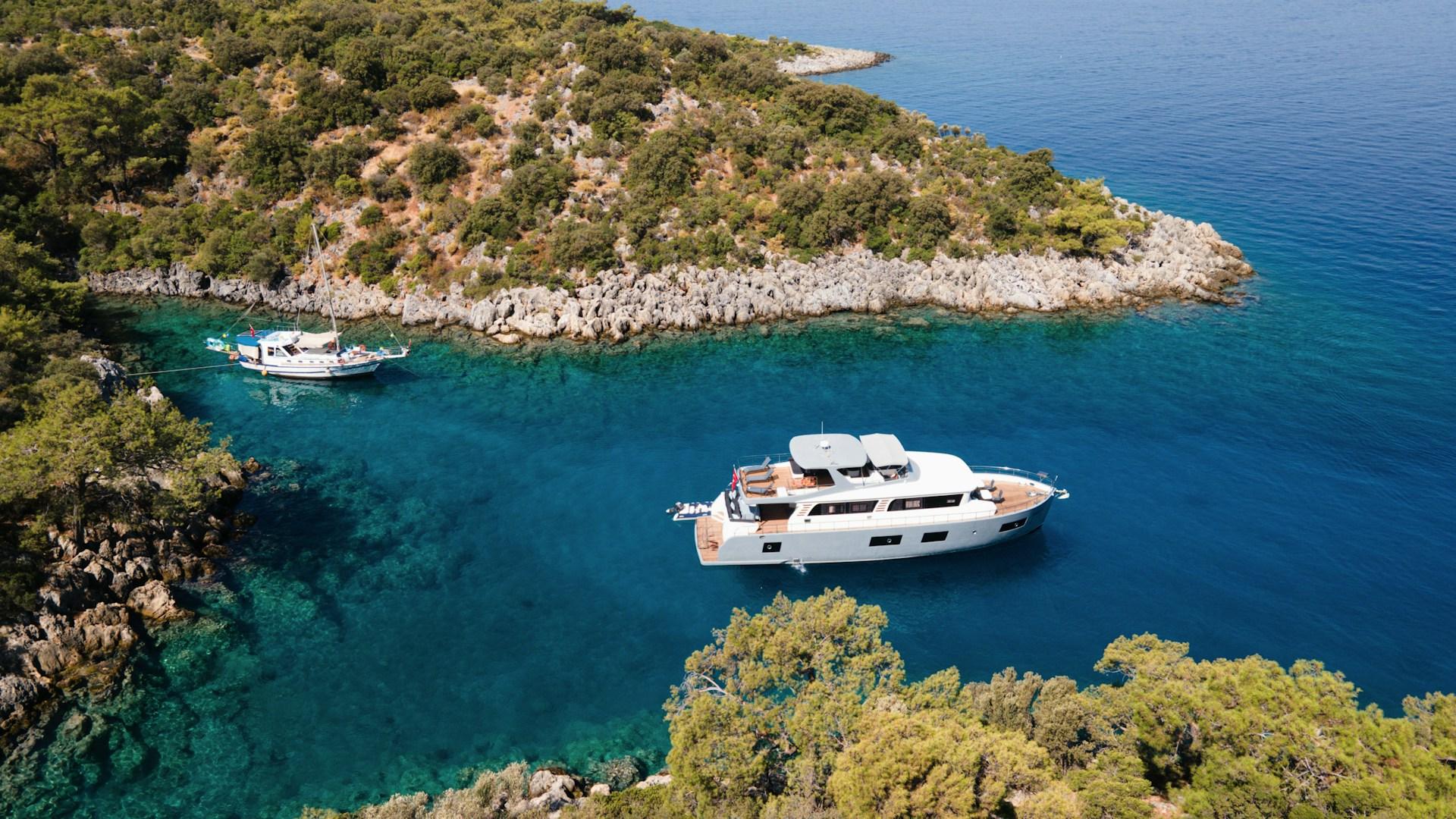
Booking Pro+ connects review follow-up to the same system that manages reservations and passenger manifests.
After the event, an automated review request is emailed to every person listed on the manifest. Staff do not need to export a contact list, mark off guests manually, or depend on the crew to remember the request.
The review request becomes part of the normal trip workflow so you can turn every completed tour into future bookings.
Book a Booking Pro+ demo to see how automated review requests, manifests, reservations, and guest communication work together under one platform.